

Fulani Braids Gallery
$$MultiPurposeText$$
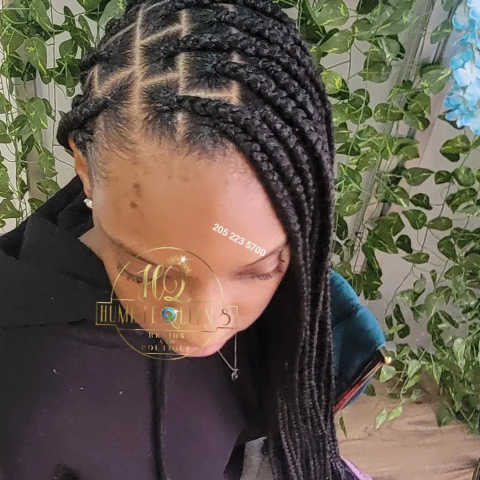
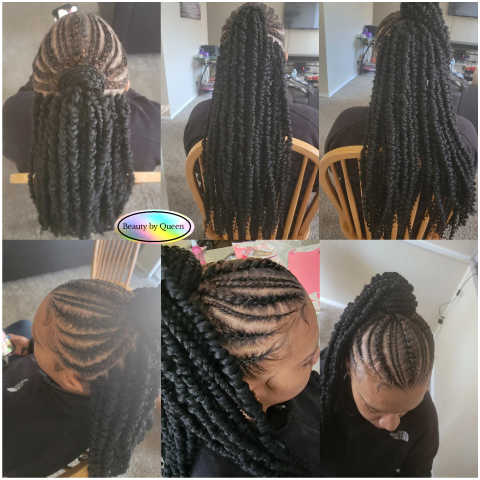
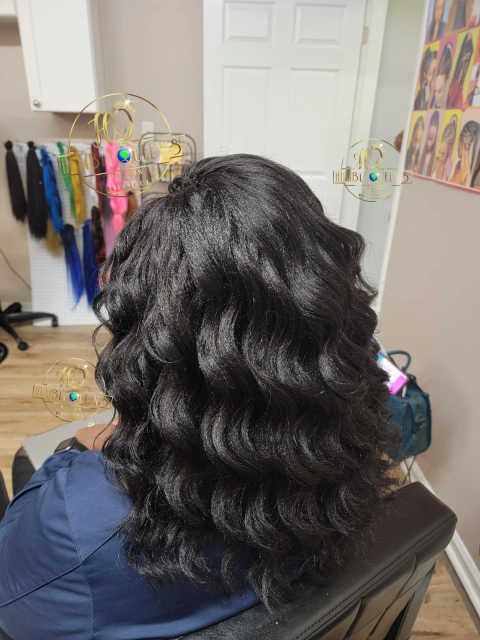
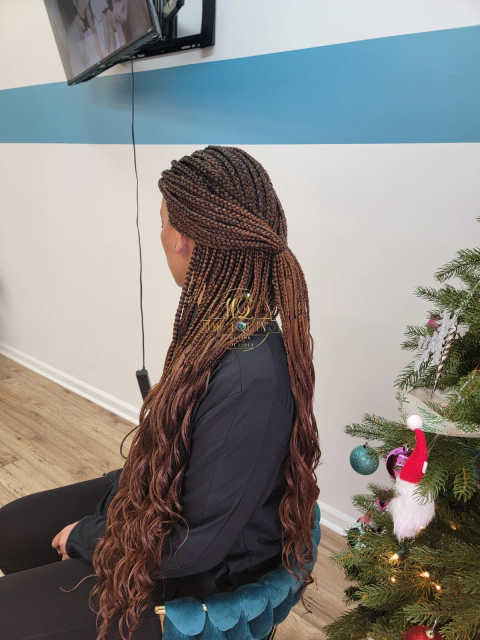
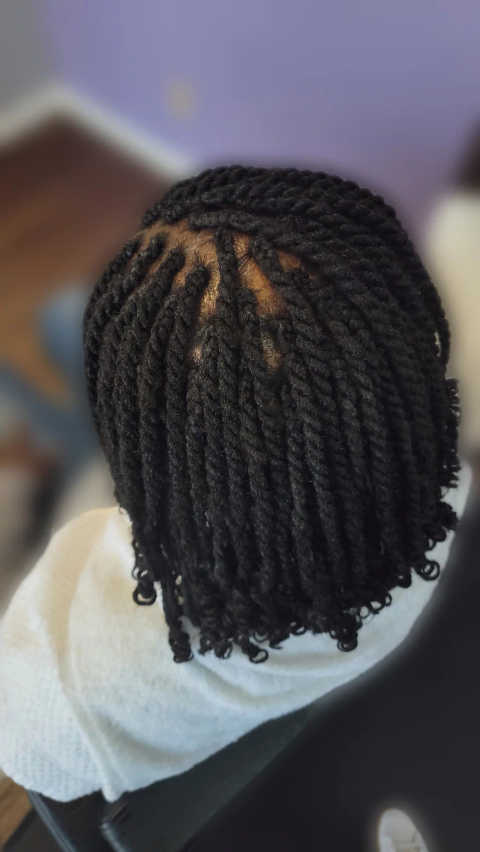
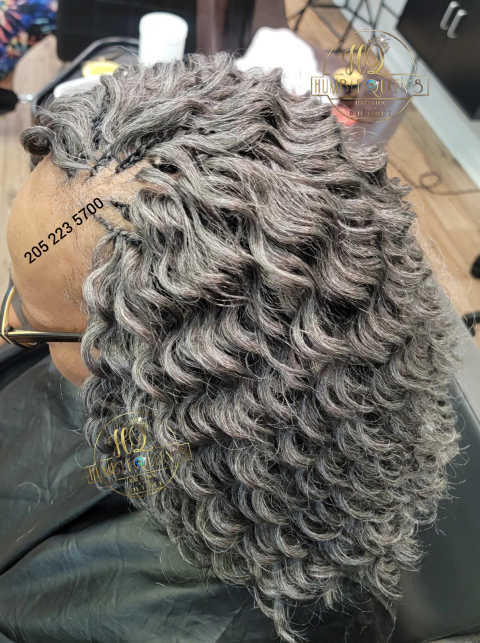
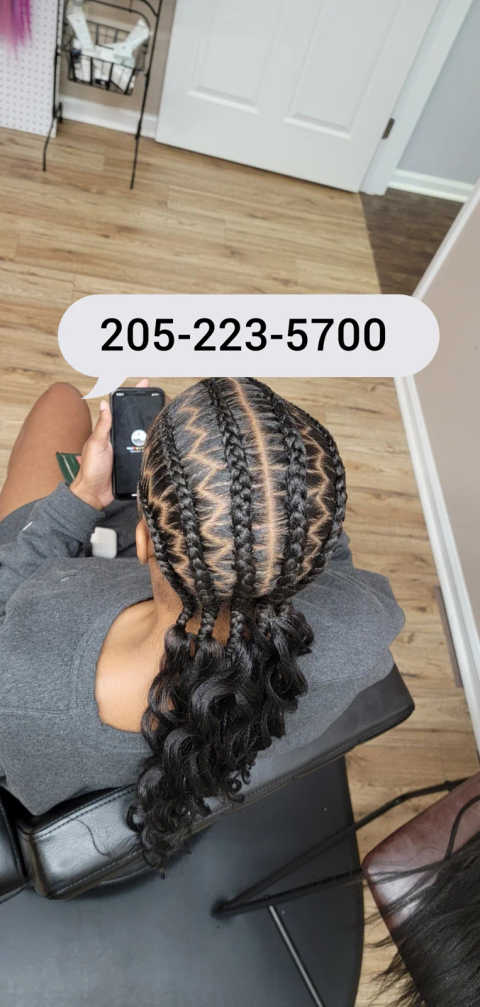
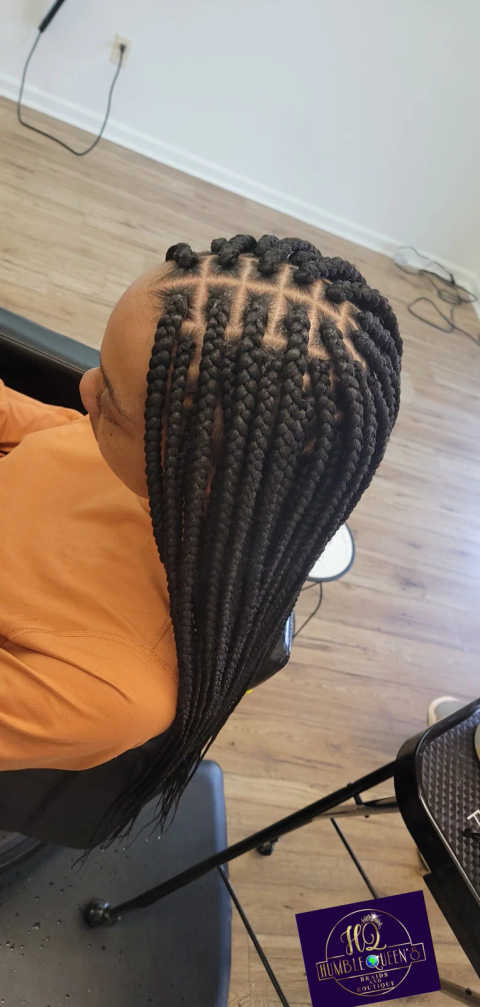
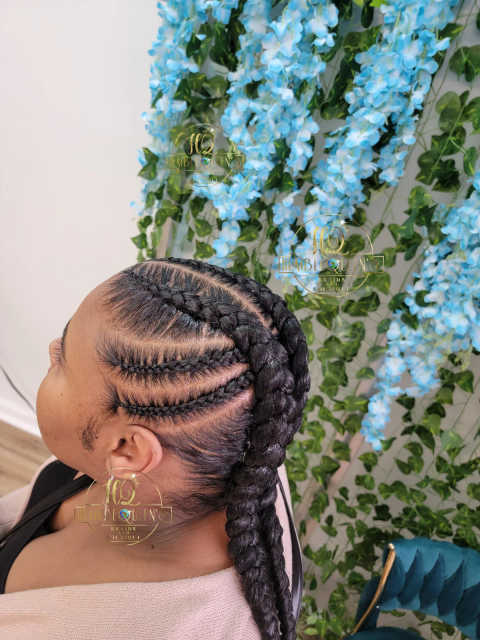
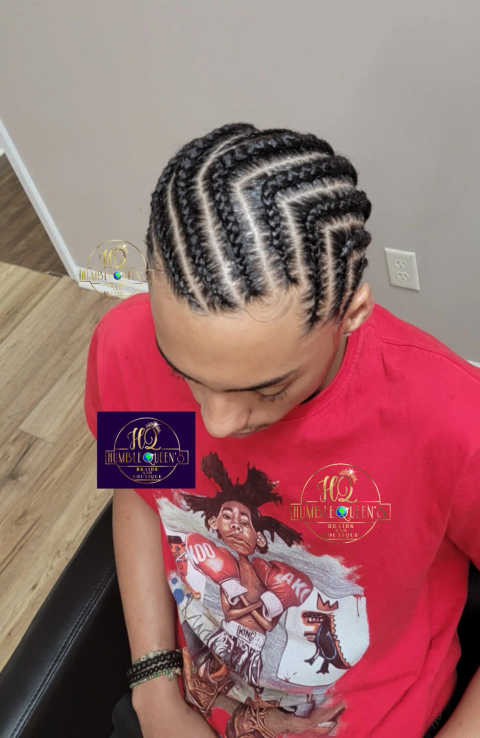
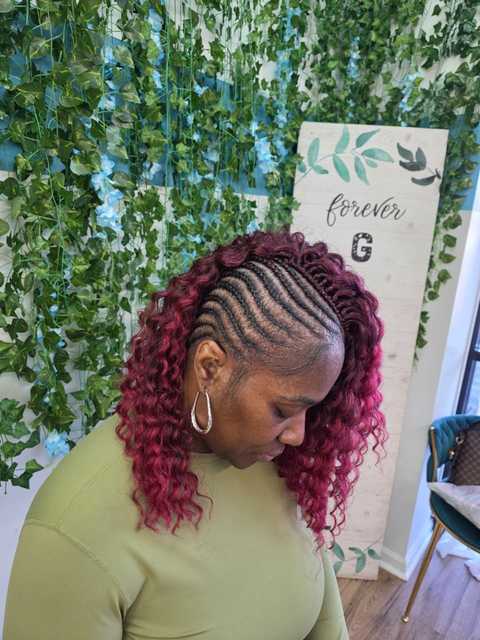
See examples of our Fulani Braids work and results.
















What Our Clients Say
$$MultiPurposeText$$
Read testimonials from our satisfied customers

(Translated by Google) I was on vacation in Alabama and was honored at Humble Queen Hair S...more

I called this morning (April 19, 2025) it's a Saturday and asked if they could do "Tree Br...more

Frequently Asked Questions
Get answers to common questions about Fulani Braids.
Fulani Braids generally last four to eight weeks depending on hair growth, care, and lifestyle. Proper maintenance, gentle cleansing, and nighttime protection extend wear. If installed with extensions, they can maintain shape longer; schedule touch-ups if you notice slippage or frizz.
When braided correctly by experienced stylists, Fulani Braids are protective and minimize manipulation. We avoid excessive tension at the hairline and recommend looser parts for fragile edges. Communicate any sensitivity so we can adjust technique to protect your hair.
Yes, you can swim and exercise with Fulani Braids but take precautions. Rinse salt or chlorine immediately, apply leave-in conditioner, and wear a swim cap when possible. Secure beads and gently dry to prevent frizz and preserve the style.
Maintain Fulani Braids by sleeping with a satin scarf or bonnet, moisturizing your scalp twice weekly, and gently cleansing without heavy manipulation. Re-tighten or refresh edges as needed. Avoid prolonged styles without care to prevent buildup and keep beads secured to prevent loss.
Yes, our Fulani Braids service includes traditional beads and a defined center part by default. We offer bead color and size options during consultation, and can customize the center part width and bead placement to match your cultural preference and personal style.
Appointment length varies by hair length, density, and bead detail, usually taking two to four hours. Simple Fulani Braids with minimal beads take less time; intricate beadwork or added extensions increases timing. We provide an estimated duration when you book.